
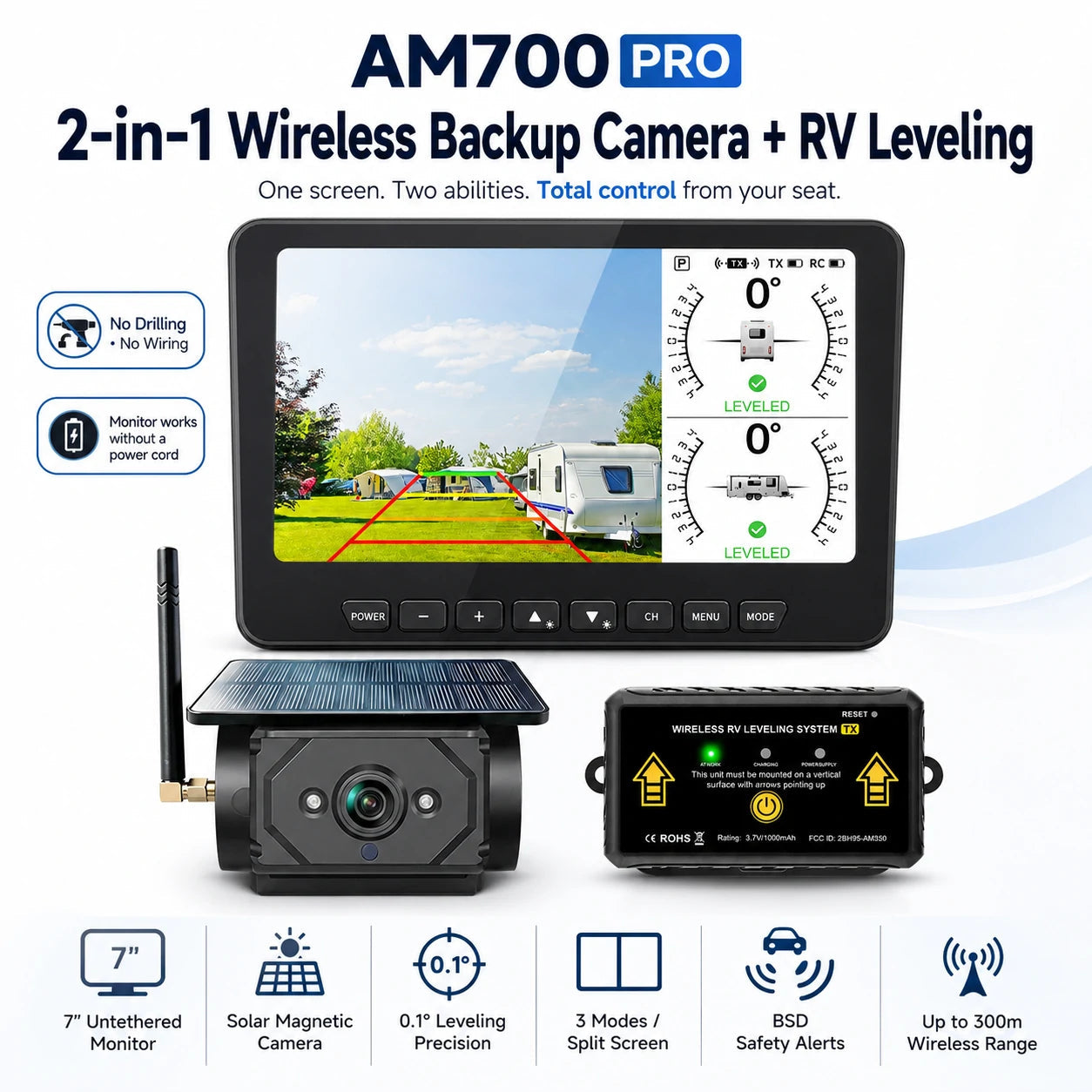
Solar magnetic cameras are popular because they remove two installation barriers at once: drilling and a dedicated power wire. For the right owner, that convenience is meaningful. For the wrong use case, a permanently powered camera may still be the better solution.
Why this category is growing
RV owners are prioritizing practical aftermarket upgrades. Go RVing’s exterior-upgrade guide highlights cameras and tire monitoring among useful additions, while solar equipment continues to attract owners who want less dependence on shore power and generators.
A removable magnetic camera fits the same broader demand: upgrades that are quick to deploy, easy to transfer and friendly to vehicles that were not prewired at the factory.
The strongest advantages
- No drilling on a compatible steel mounting surface.
- Fast installation for rental, seasonal or multi-trailer use.
- Solar assistance can extend time between manual charging sessions.
- The camera can be removed for storage or repositioned for a different task.
- Installation can be tested before committing to a permanent location.
The limitations to understand
Solar charging depends on exposure, weather, panel orientation and power use. Magnetic mounting depends on a suitable surface and must be evaluated for vibration, wind and theft risk. A removable camera also adds one more item to install before departure and store after arrival.
For frequent full-time travel, a permanently powered system may offer more routine predictability. For weekend trips, temporary towing or multiple compatible vehicles, the speed of a magnetic system can outweigh those tradeoffs.
A simple decision checklist
- Confirm that your intended mounting location is magnetic and structurally suitable.
- Estimate how long the camera must operate between charges.
- Check wireless performance for your full rig length.
- Decide whether the camera will be used for backing only or continuous observation.
- Plan secure storage and a repeatable pre-trip attachment check.
Verdict
Solar magnetic backup cameras are worth considering when installation flexibility is the priority. They do not eliminate the need to inspect, charge and test the system, but they can turn a complex upgrade into a tool that is ready in minutes.
Compare options in Backup Camera Systems.